6 Dog Pest Control Tips
Dog pest control is one among the most overlooked aspect of dog care. As a pet owner, ensuring the health and well-being of your dog is a top priority. Fleas, ticks, and other pests can make your dog uncomfortable and pose serious health risks. In this blog post, we’ll discuss six essential dog pest control tips to help keep your canine companion safe and pest-free.
- Regular Grooming Sessions
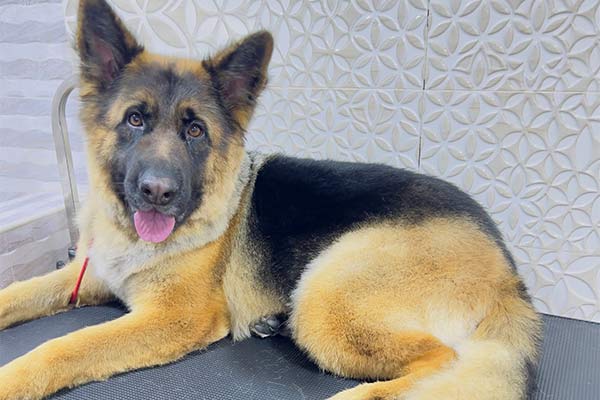
The first tip to remember when doing dog pest control on your pets is regular pet grooming. Regular grooming sessions are essential for maintaining your dog’s overall health and hygiene. Not only does grooming help keep your dog’s coat clean and shiny, but it also allows you to check for any signs of pests, such as fleas and ticks. Use a fine-toothed comb to carefully inspect your dog’s fur, paying close attention to areas like the neck, ears, and tail where pests often hide.



2. Invest in Preventative Dog Pest Control Products
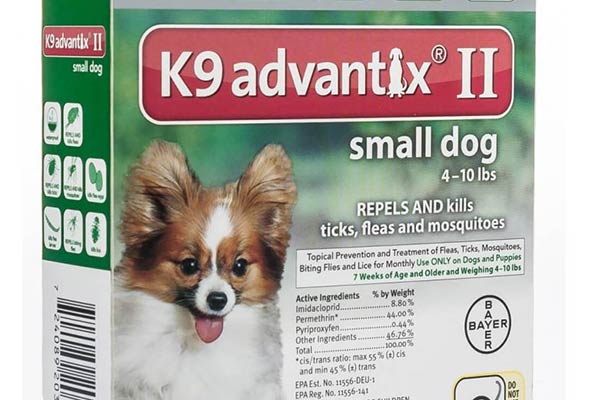
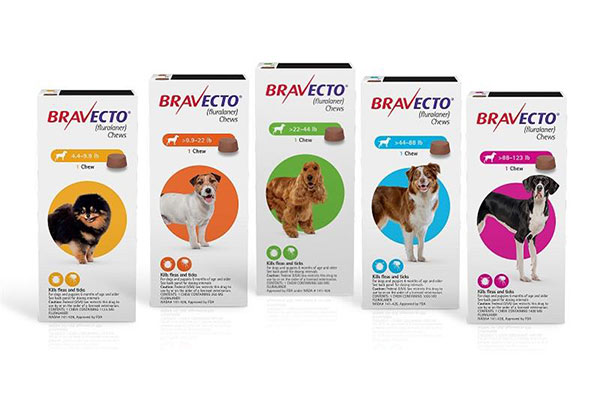
There are numerous preventative products available on the market that can be used for dog pest control. These include tick and flea collars, spot-on treatments, oral medications, and sprays. Consult us at VIP Pet Grooming to determine which products are best suited for your dog based on factors such as their age, weight, and overall health.

3. Maintain a Clean Environment
Keeping your home and yard clean is crucial for preventing pest infestations. Vacuum your carpets and furniture regularly to remove flea eggs or larvae, and wash your dog’s bedding frequently in hot water. Additionally, regularly mow your lawn and remove tall grass or debris where ticks and other pests may hide. A clean environment is very crucial in doing dog pest control.
4. Practice Good Hygiene Habits
Maintaining good hygiene habits for your dog can help minimize their risk of attracting pests. Bathe your dog regularly using a mild dog shampoo, and thoroughly dry their fur afterward to prevent moisture-loving pests like fleas. Keep your dog’s living area clean and free of food scraps, which can attract pests such as ants and cockroaches.
5. Be Mindful of Outdoor Activities
When spending time outdoors with your dog, be mindful of areas where pests are prevalent. Avoid tall grass, wooded areas, and marshy terrain where ticks are known to thrive. After outdoor activities, thoroughly check your dog for ticks and promptly remove any that you find using tweezers, ensuring to grasp the tick as close to the skin as possible.
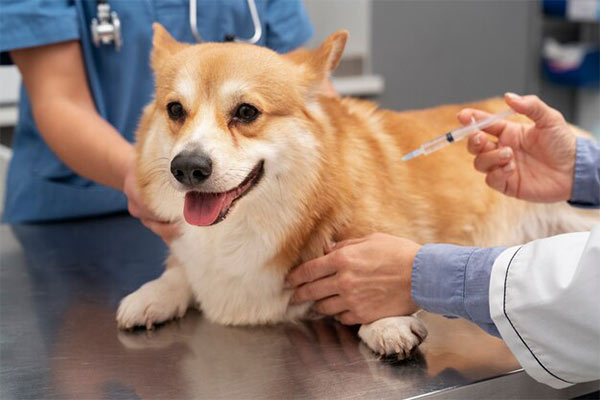
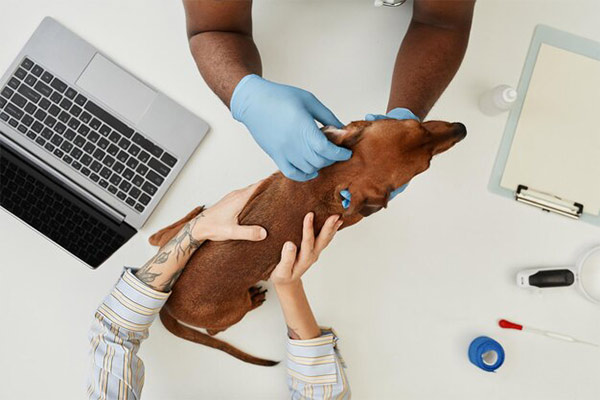
6. Schedule Regular Veterinary Check-ups
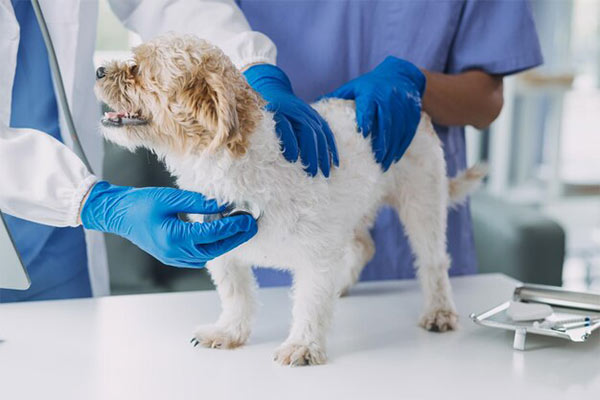
Regular visits to the veterinarian are essential for maintaining your dog’s overall health and well-being. During these visits, your vet can thoroughly examine your dog, including checking for signs of pests such as fleas, ticks, and mites. They can also guide you on best dog pest control measures.
By implementing these six dog pest control tips, you can help keep your furry friend safe, healthy, and free from pesky parasites. Remember, prevention is key in dog pest control, so make it a priority to incorporate these practices into your dog’s care routine. With your diligence and attention, you can ensure that your canine companion enjoys a happy, pest-free life by your side.
By implementing these six dog pest control tips, you can help keep your furry friend safe, healthy, and free from pesky parasites. Remember, prevention is key in dog pest control, so make it a priority to incorporate these practices into your dog’s care routine. With your diligence and attention, you can ensure that your canine companion enjoys a happy, pest-free life by your side.
Dog Pest Control FAQs
Related Posts
After VIP Pet Grooming
Book an Appointment for Exceptional Pet Grooming Services!
We provide professional pet grooming services tailored to each pet’s needs and breed. We are committed to enhancing the neatness and general well-being of pets by providing comprehensive pet grooming services.
Contact us today to provide your pet with the grooming they require for their overall health and happiness!