
Cat Nail Trimming Tips – Do’s and Dont’s
Every cat owner knows how cat nail trimming is essential in maintaining your pet’s health and well-being. However, it can be a challenging task. To make the experience as stress-free as possible for you and your cat, here are some valuable tips and techniques to guide you.
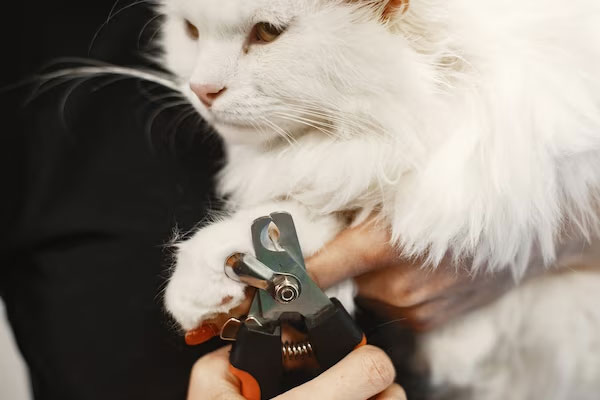
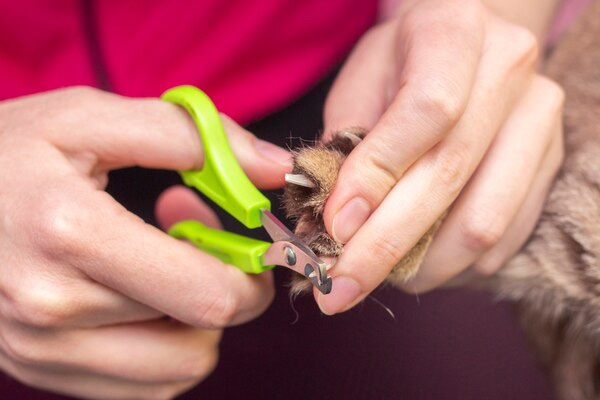

Cat Nail Trimming Do’s
Start early: Begin acclimating your kitten to paw handling as early as possible. Gently massage their paws and play with their toes to get them comfortable with the sensation.
Choose the right tools: Invest in high-quality cat nail clippers designed for precision and ease of use. Consider guillotine or scissor-style clippers, depending on your preference.
Find the purrfect timing: Clip your cat’s nails when relaxed and sleepy, like after playtime or a meal. Avoid times when they’re active or agitated.
Make it a positive experience: Offer praise, gentle petting, and treats throughout the process. Create a positive association with nail trimming.
Only trim the white tip: The pink part of the nail, called the “quick,” contains nerves and blood vessels. Clipping into this area will cause pain and bleeding. Stick to the white tip and err on caution if unsure.
Take breaks: Don’t try to trim all the nails at once, especially if your cat is resistant. Focus on a few nails per session and gradually increase the duration as they get used to it.
Consider enlisting help: If your cat is particularly aggressive, ask a friend or family member to assist you. One person can hold the cat while the other trims the nails.
Cat Nail Trimming Dont’s
Force your cat: If your cat seems stressed or scared, stop the process and try again later. Forcing them will only make future trims more challenging.
Use human nail clippers: These are not designed for cat nails and can cause damage. Stick to specific cat nail clippers for optimal results.
Clip into the quick: This will cause pain and bleeding. If you accidentally nick the quick, use a styptic pencil or powder to stop the bleeding immediately.
Neglect nail trimming: Regularly trimming your cat’s nails is essential for their health and happiness. Aim for every 2-3 weeks, depending on their growth rate.
Punish your cat: Never punish your cat for resisting nail trimming. This will only create negative associations and make the process even more difficult.
Declaw your cat: Declawing is a painful and inhumane surgery that should be avoided at all costs. With proper nail care and scratching post alternatives, declawing is unnecessary.
Types of Cat Nail Trimming Grinders and Clippers
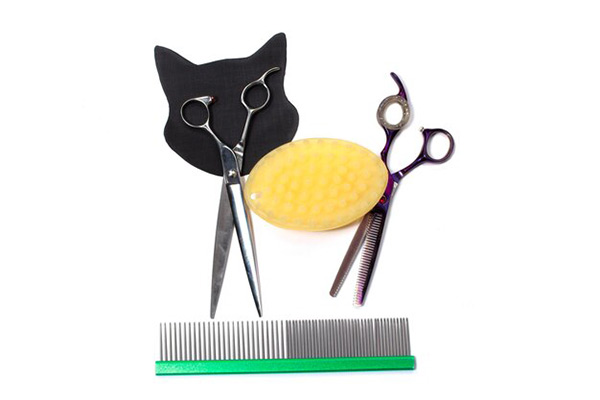
Scissor-style Nail Clippers
Scissor-style nail clippers resembles small scissors with divots for the nail. Some cat groomers for cats prefer them.
Guillotine-style Clippers
Guillotine-style nail clippers feature a hole to insert into the nail before cutting. They stay sharp longer but can be tricky to use on cats.

Nail Grinders
Nail grinders can help file the nails smoothly, but the mechanical hum may be stressful.
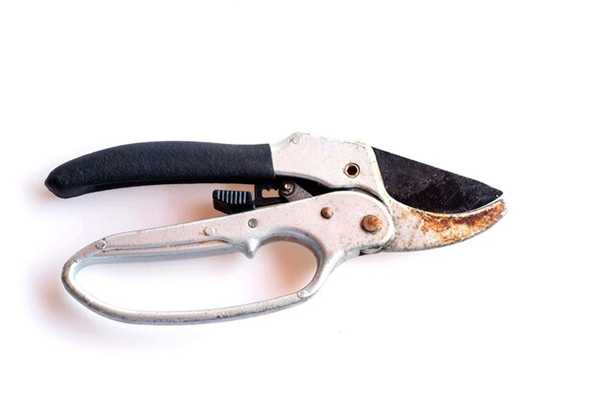
Pliers-style Nail Clippers
Pliers-style nail clippers have a spring for extra strength and are suitable for thick nails.
Nail grinders have the advantage of high-speed filing, making it easier to round off the nail tip and less likely to cause pain than clippers. They can also be used to maintain the length of nails, minimizing the frequency of nail clipping.
Following these cat nail trimming tips can help make the experience more comfortable and less stressful for your cat and maintain their overall health and well-being.
Remember, every cat is unique, so it’s essential to be patient and understanding throughout the training process. Your cat can learn to accept and enjoy nail trims with time and consistency.
FAQs
Related Posts

After VIP Pet Grooming
Book an Appointment for Exceptional Pet Grooming Services!
We provide professional pet grooming services tailored to each pet’s needs and breed. We are committed to enhancing the neatness and general well-being of pets by providing comprehensive pet grooming services.
Contact us today to provide your pet with the grooming they require for their overall health and happiness!